
Regional Security Concerns Grow Across the Gulf
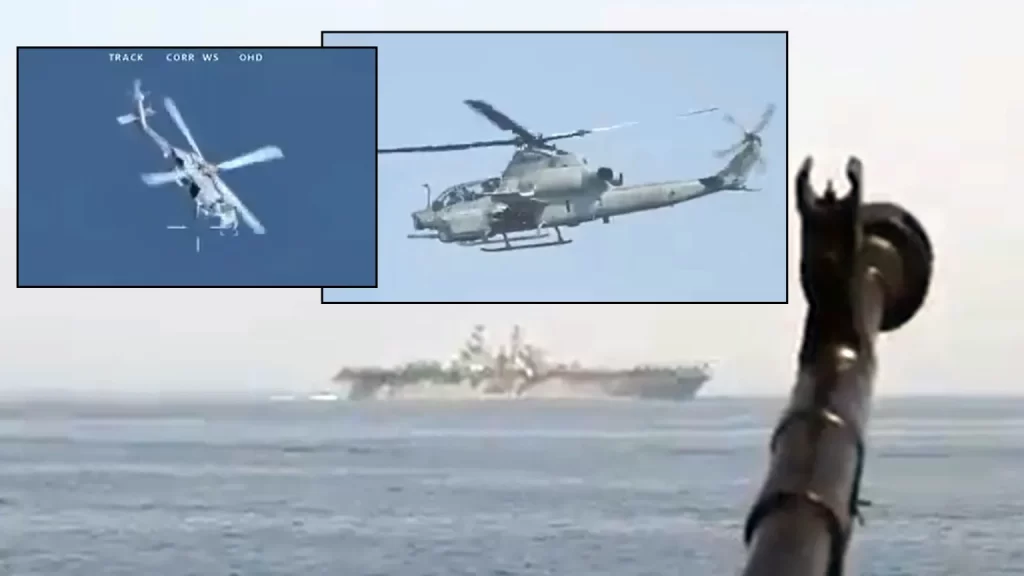
The latest U.S.–Iran confrontation has prompted Gulf countries to increase security measures amid fears of broader regional instability. Bahrain, Kuwait, Jordan, and other regional partners have strengthened monitoring of airspace and maritime routes.
Military officials report increased activity involving missile-defense systems and surveillance operations. Governments are concerned that future attacks could target critical infrastructure, including ports, energy facilities, and military installations.
The Gulf region hosts several important U.S. military bases that support operations across the Middle East. These installations have become focal points in the current confrontation.
Regional leaders have called for restraint and emphasized the importance of diplomatic solutions. Many countries fear that a wider conflict would have severe economic and security consequences.
Security experts note that modern warfare increasingly involves drones, missiles, cyber operations, and attacks on infrastructure. This creates challenges for defense planners attempting to protect both civilian and military targets.
As tensions remain high, governments across the region continue to prepare for multiple scenarios while encouraging efforts to restore stability and prevent further escalation.
Sources: Reuters, AP, Defense News, Euronews.