
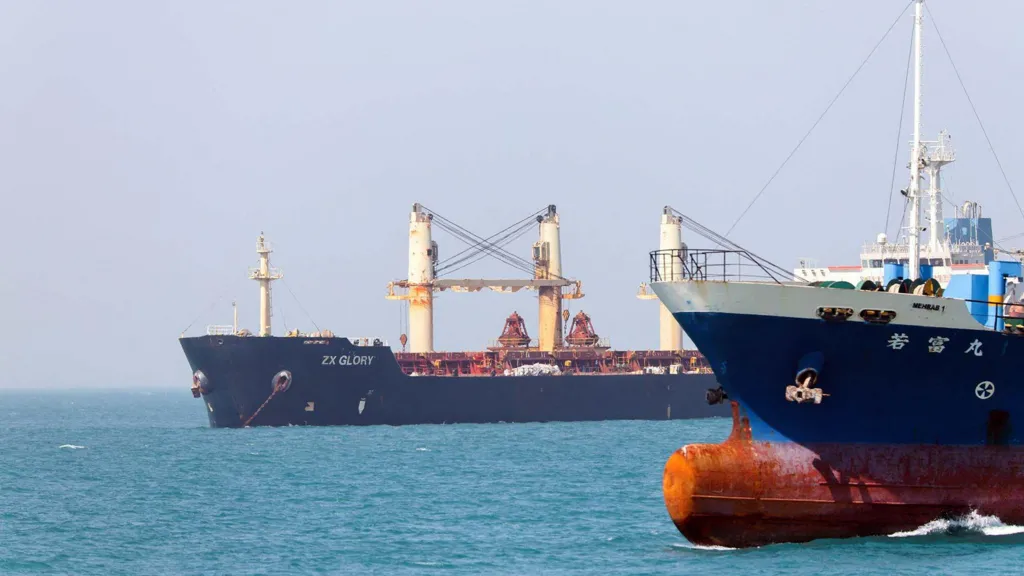
How could the US-Iran deal affect oil prices and the cost of food?
Lower Oil Prices
After the deal was announced, oil prices fell sharply because investors expect the reopening of the Strait of Hormuz and a return of more Iranian oil to global markets. Brent crude dropped by around 5%, reaching about $83 per barrel.
If the agreement holds:
- More oil and gas can flow through the Middle East.
- The risk of supply disruptions decreases.
- Petrol, diesel, and heating fuel prices could gradually decline.
- Transportation and manufacturing costs may become cheaper.
However, experts caution that restoring full production and shipping could take months, so fuel prices may not immediately return to pre-conflict levels.
Lower Food Prices
Food prices are heavily influenced by energy costs because oil affects nearly every stage of food production:
- Fuel for tractors and farm equipment
- Transportation of food to stores
- Refrigeration and storage
- Production of fertilizers, many of which rely on natural gas
When oil and gas become cheaper, the cost of producing and transporting food tends to fall as well.
For example:
- Bread prices can be affected by lower fertilizer and transport costs.
- Fruits and vegetables may become cheaper to ship.
- Meat and dairy costs can decline because feed production and transportation become less expensive.
Inflation Could Ease
Lower energy prices also help reduce overall inflation. Economists believe the recent fall in oil prices could ease inflationary pressures and lessen the need for interest rate increases.
Lower inflation can benefit consumers by:
- Reducing fuel bills
- Slowing increases in grocery prices
- Lowering transportation expenses
- Supporting household purchasing power
What This Means for North Macedonia
For consumers in North Macedonia, a lasting U.S.-Iran agreement could eventually mean:
✅ Lower fuel prices at petrol stations
✅ Reduced transportation and import costs
✅ Slower increases in supermarket prices
✅ Less inflationary pressure on household budgets
However, food prices usually respond more slowly than oil prices. Even if crude oil drops today, it may take several weeks or months before the effects are fully reflected in grocery prices.
In short, if the U.S.-Iran deal holds and the Strait of Hormuz remains open, it could lead to cheaper oil, lower inflation, and eventually more stable or lower food prices worldwide, including in North Macedonia.