
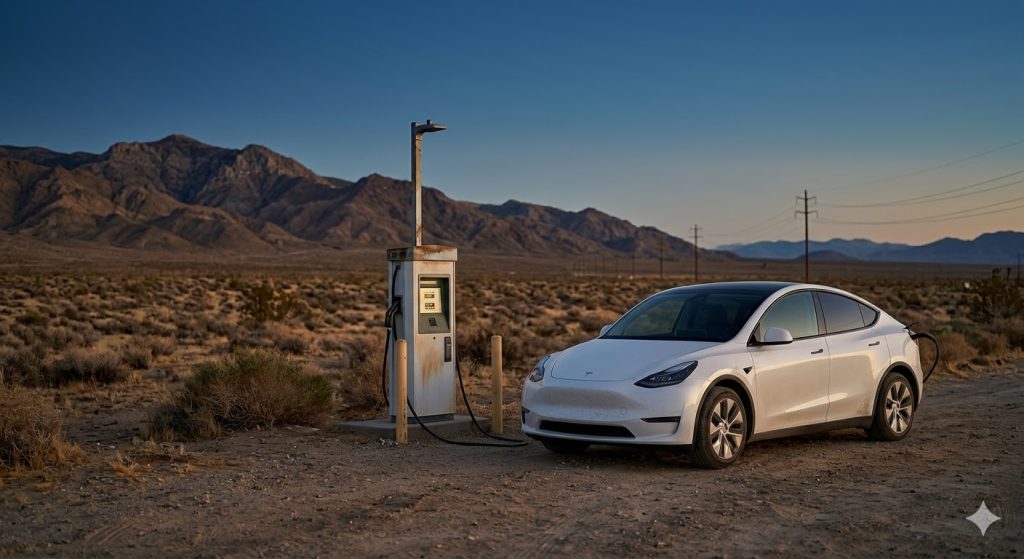
The EV Charging Crisis
Why Rural Areas are Becoming Electric Deserts
We are being told that the electric vehicle (EV) future is inevitable. Automakers are pledging to phase out internal combustion engines, and governments are offering lucrative tax credits to buyers. But for a massive percentage of the population living outside major metropolises, owning an EV remains a daunting, functionally impossible proposition. This article investigates the massive infrastructure gap that threatens to turn the EV revolution into an elitist phenomenon: the emergence of “Electric Deserts.”
The primary issue is the sheer scale of the required infrastructure. While major highways are beginning to see ‘fast chargers,’ secondary roads and vast rural swaths remain blank. For a driver in a rural county, the nearest charger might be fifty miles away, making daily use impossible. This “range anxiety” isn’t a psychological hurdle; it’s a structural barrier. Furthermore, the electrical grids in these areas are often underpowered, requiring multi-year, multi-billion-dollar upgrades before they can support a fleet of electric trucks and SUVs.
This infrastructure crisis is creating a two-speed transition. Cities with robust grids and high populations see aggressive EV adoption, creating a blueprint for the future. Meanwhile, rural and underserved communities are left behind, potentially trapped in an aging, oil-dependent transportation model that will become increasingly expensive as gas stations close down in a domino effect.
We speak to local grid operators and town council members in ‘Electric Deserts’ who feel abandoned by the mainstream narrative. We explore proposed solutions, from decentralized solar-powered charging microgrids to “battery swapping” stations that bypass the grid altogether. The EV future must be a shared future; if we do not prioritize charging equity now, we risk deepening a divide that will define the rest of the 21st century.